

model
inno-PDX Second Generation Human-Derived Tumor Allograft Model Platform
Based on the team's years of practical experience in PDX model modeling and experiments, Chuangmo Biotechnology has developed a second-generation iPDX model platform using dispersed cell technology, based on traditional PDX model modeling techniques. The iPDX model platform has the following technical characteristics:
1. It can more completely retain the heterogeneity of tumor tissue and genomic information, with a drug efficacy response and clinical consistency of over 90%.
2. It can significantly improve the success rate of modeling and the stability of experiments.
3. Compared to traditional PDX models, its performance is close to that of tumor cell line models, and it can conduct experiments of any scale using early generation models.
4. The iPDX model platform can currently be combined with humanized immune system models of PDX, and can be used for the development of various tumors and new tumor immunotherapy drugs.
5. It has better quality control performance.
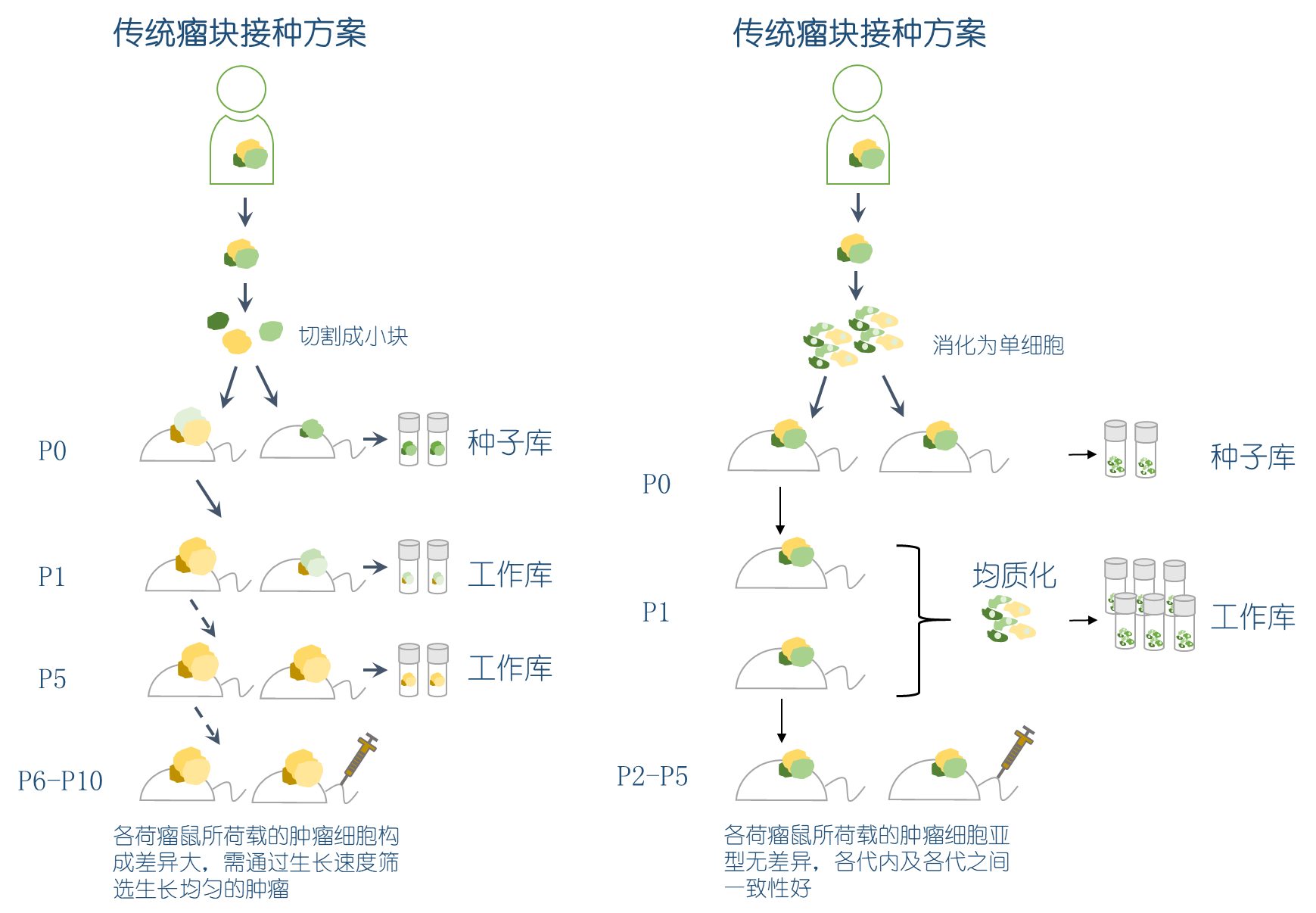
iPDX Model Platform Quality Control
1. Pathogen Microorganism Quality Control: PDX model passage is from animal to animal, and tumors collected from tumor-bearing mice with pathogenic bacteria and viruses can lead to infections in new tumor-bearing mice. If PDX tumors are contaminated with pathogenic microorganisms, these microorganisms can remain active along with the tumor during the freezing process. The iPDX platform conducts centralized library construction during library establishment, while also performing pathogen microorganism testing to ensure the avoidance of inter-mouse transmission of microorganisms.

2. STR Testing:
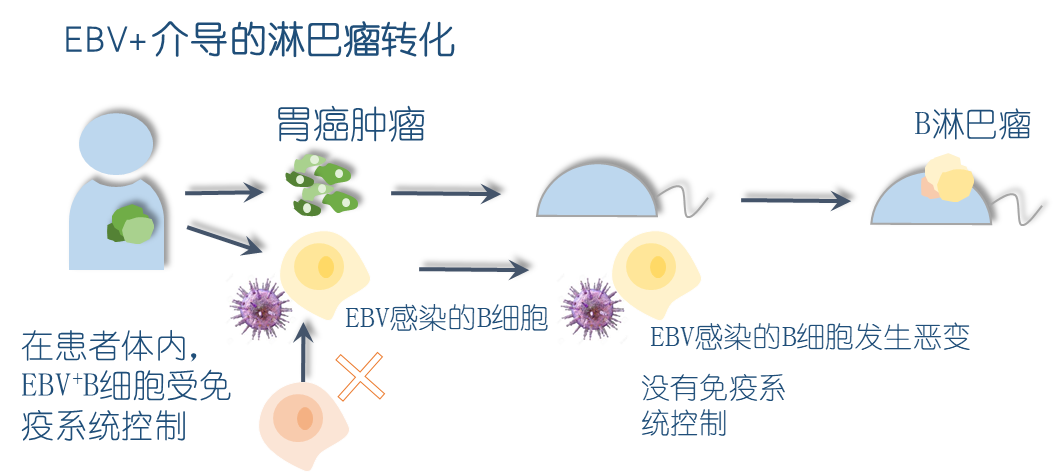
● Mouse spontaneous tumors replace PDX
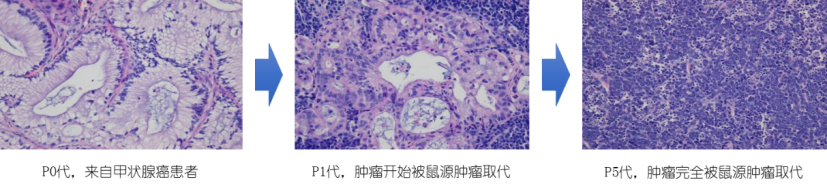
● Human error (labeling, recording, etc.), using patient tumor/peripheral blood DNA as a control for STR testing.
3. Pathological Testing: The iPDX model platform's pathological quality control further ensures the correctness of PDX model modeling.
Drug Efficacy Experiment Cases
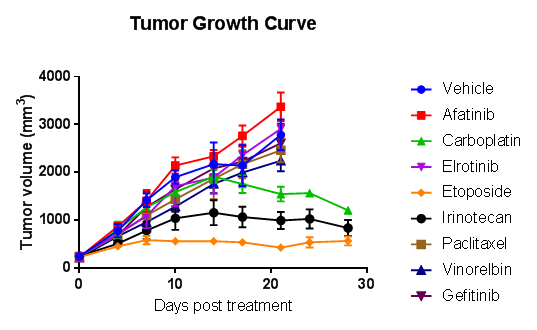
● P1 generation tumor model, can grow uniformly at an early stage.
● 20% of the group remains.